
The practice / observation
See the work as it happens.
Embedded Observation brings independent attention to the places where stated processes meet daily reality—on site or in the workflows that connect people and systems.
01 / RECONNAISSANCE
Close enough to understand.
We agree on access and boundaries, then examine handoffs, interruptions, informal authority, physical constraints and information flow where the work happens.
We use minimum necessary exposure, avoiding unnecessary collection of sensitive records. Our role is to see the system's behavior, not to monitor individuals.

02 / Where the work happens
Real routines, seen with permission.
Observation is open and agreed. It looks at how work moves through a place, not at what any one person does.

Handoffs
Where one shift meets the next
Handovers carry responsibility from person to person. They are often where informal practice and stated process part ways.
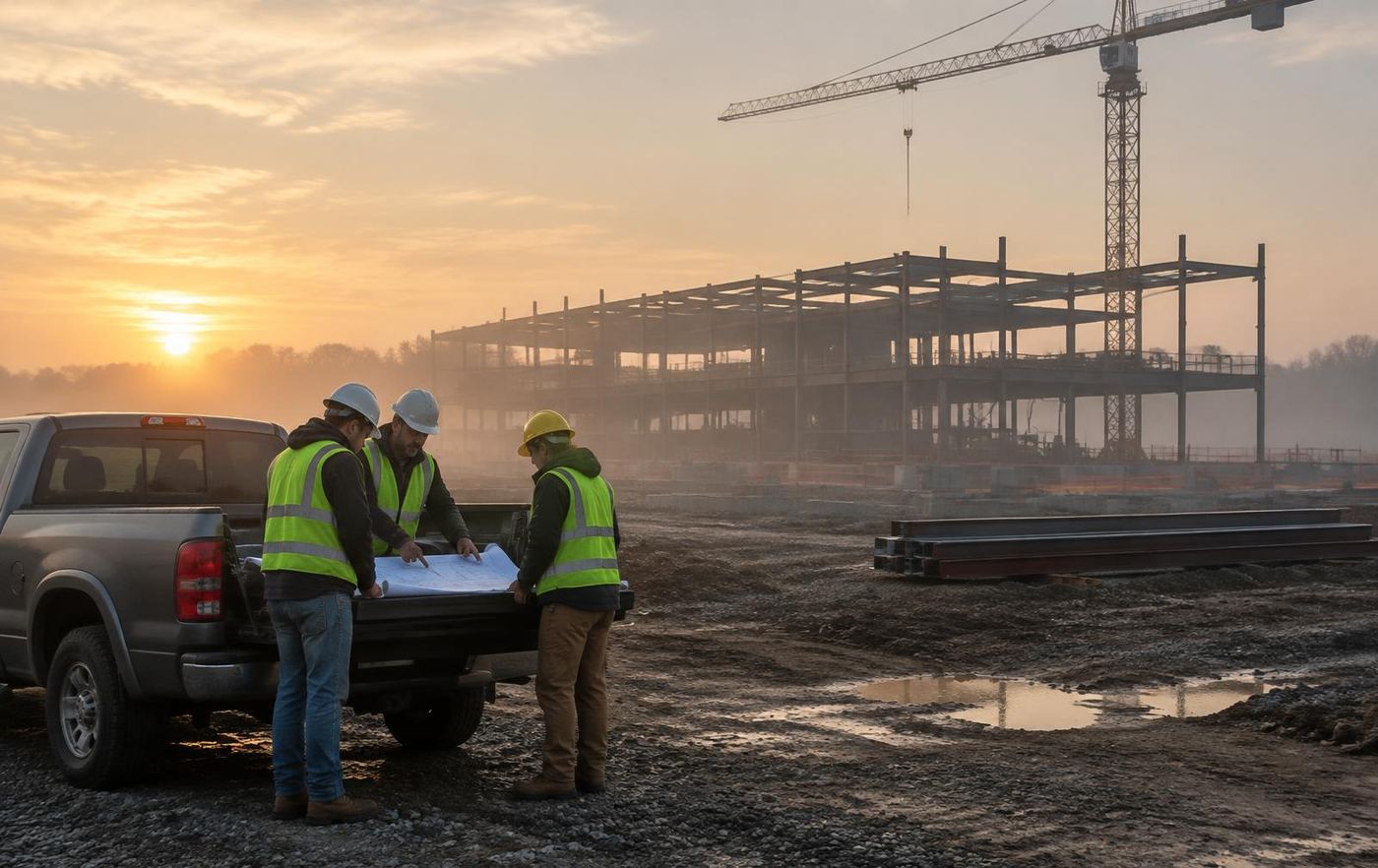
Field operations
Plans meeting the ground
On site, decisions are shaped by weather, equipment and who is present — not only by the plan.

Desk & systems
The workflow behind the screen
Approvals, shared files and workarounds: how people and systems actually interact day to day.
03 / LEGIBILITY
Make the pattern visible.
Observation reveals where intent differs from outcome, where dependencies lack ownership, and where a local workaround points to a structural issue. These findings inform architecture and assurance work.
We present the evidence and the choices it reveals. The client remains responsible for implementation and any subsequent decisions.
People & informal authorityHuman
Who really decides, and who others turn to.
Handoffs & routinesPhysical & digital
Where work passes between people, teams and shifts.
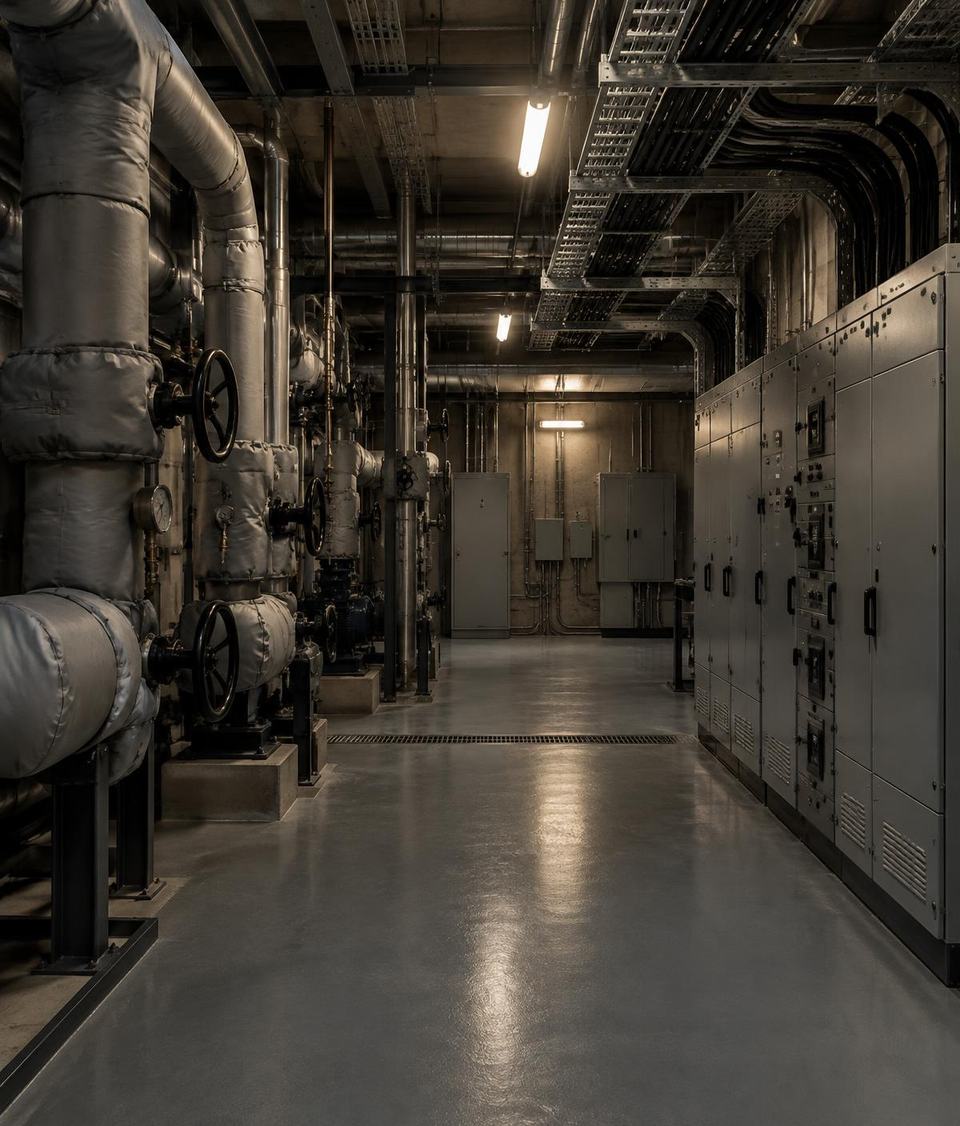
Sites & physical constraintsPhysical
Space, equipment and conditions that shape what is possible.
Information & systemsDigital
How information flows, and where it stalls.
- Teams
- Shifts
- Equipment
- Records
- Suppliers
- Exceptions
NEXT / CONVERSATION
Bring us the question.
Start with the outcome you need and the conditions around it. We can define the right scope together.